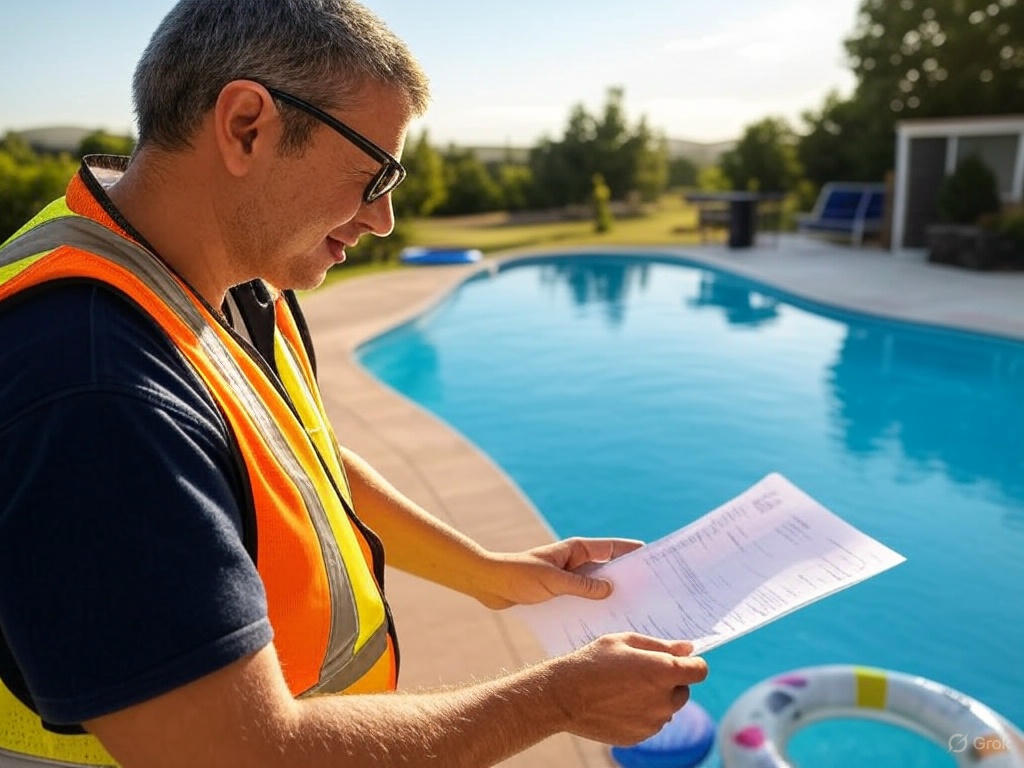
Owning a swimming pool or spa in Victoria comes with the responsibility of ensuring it is safe, compliant, and properly maintained. Whether you are a new pool owner or have owned your pool for years, understanding the pool compliance requirements in Victoria is essential for the safety of your family, visitors, and community. This guide breaks down everything you need to know about Victorian pool compliance, from registration to inspections and certificates.
Why Pool Compliance Matters
Pool and spa safety is a serious issue in Victoria. Each year, several drowning incidents involve young children, many of which could have been prevented with proper safety barriers. Pool compliance isn’t just a legal obligation—it’s a crucial step in protecting lives. The Victorian Building Authority (VBA) enforces strict standards to reduce risks, ensuring that all pools and spas have effective, well-maintained barriers.
Registering Your Pool or Spa
Since 2019, all Victorian residential pool and spa owners are legally required to register their pool or spa with their local council. This includes permanent pools, permanent spas, and some relocatable pools that hold more than 300mm of water. Registration ensures councils maintain accurate records for future inspections and compliance checks. Failure to register can lead to significant fines.
Understanding Barrier Standards
Once registered, your pool barrier must meet the relevant Australian Standards based on the date your pool or spa was constructed. These standards outline specific requirements for fencing height, gate operation, latch positioning, non-climbable zones, and boundary fencing. Barriers should be at least 1.2 metres high, gates must be self-closing, and no climbable objects should be near the barrier. Ensuring your barrier complies is one of the most important steps in meeting Victorian pool safety laws.
Regular Safety Inspections
Victorian pool owners must organise pool safety barrier inspections every four years. These inspections must be conducted by a registered building surveyor or inspector. During the inspection, the professional checks for compliance issues such as damaged fencing, faulty gate latches, gaps in barriers, and climbable objects nearby.
After the inspection, you will receive either a Certificate of Pool and Spa Barrier Compliance or a notice outlining required repairs. If repairs are needed, you must complete them within the specified timeframe and book a re-inspection.
Lodging Your Compliance Certificate
Once you obtain your compliance certificate, you must lodge it with your local council within 30 days. Councils maintain detailed records to ensure pool owners stay on schedule with future inspections. Failure to lodge your certificate can result in fines, even if your pool is compliant.
Common Compliance Issues to Watch For
Many compliance failures in Victoria stem from simple, preventable issues. Common problems include:
-
Gates not self-closing properly
-
Gaps under fencing exceeding allowable limits
-
Climbable items too close to the barrier
-
Worn or faulty latches
-
Inadequate CPR signage
Regular self-checks can help you fix issues early and avoid non-compliance during inspections.
Keeping Your Pool Safe Year-Round
Pool compliance is not a one-time task—it requires ongoing attention. Perform routine safety checks, keep your barrier maintained, trim overgrown vegetation, and educate your household on pool safety rules. Combining compliance with responsible supervision significantly reduces the risk of accidents.
Understanding pool compliance in Victoria empowers you to create a safer swimming environment while meeting legal requirements. With proper registration, routine inspections, and consistent maintenance, you can enjoy your pool with confidence knowing it is safe, secure, and fully compliant.
Pool fencing inspections in Melbourne ensure your pool barrier meets strict Victorian safety standards. Qualified inspectors check gate latches, fence height, gaps, and climbable objects to confirm full compliance. Regular inspections help protect children, prevent accidents, and ensure you meet legal requirements for a safe and secure pool area.