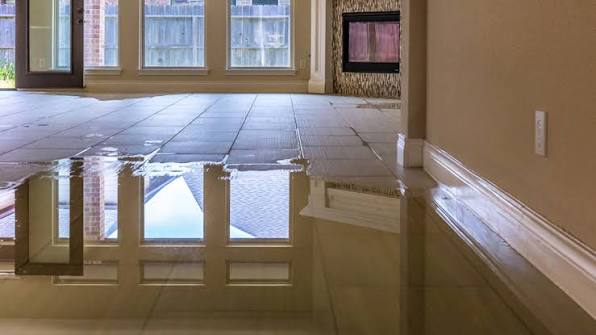
Sydney’s storms can turn a quiet afternoon into a full-blown emergency. When floodwater pushes through doors, rises through drains or pours through a damaged roof, carpet is often the first casualty. Knowing what to do in the first hours can save your flooring, protect your health and keep repair costs under control.
Start With Safety
Before you deal with wet carpet, make sure the home is safe. Switch off power at the meter box if water has reached outlets, appliances or cords, and never touch electrical items while standing in water. Wear rubber boots and gloves, because floodwater can carry sewage, chemicals and bacteria. If the water is dark, smelly or came from a drain or river, treat it as contaminated and keep children and pets away.
Identify the Type of Water
Not all floodwater is equal. Clean water from a burst pipe or rain through a roof is far easier to recover from. Water that has passed through gardens, streets or sewers is a different matter. Contaminated carpet and underlay usually can’t be safely cleaned and often need to be removed and replaced. A professional can assess the water and advise honestly.
Act Quickly on Wet Carpet
Time is your biggest enemy. Mould can begin growing within 24 to 48 hours, and odours set in fast. While you wait for help:
- Move furniture, boxes and valuables off the carpet.
- Place foil or plastic blocks under any legs that must stay.
- Remove standing water with a wet vacuum if it’s safe to do so.
- Open windows and doors, and run fans where possible.
- Photograph all damage for your insurance claim.
Why DIY Drying Often Falls Short
Towels and household fans only deal with the surface. Water soaks into the underlay, subfloor, skirting boards and even wall cavities. Handling flood damage carpet in Sydney properly means finding and removing moisture you can’t see. Leave it behind and you risk mould, warped timber, peeling paint and smells that keep returning for months.
What Professional Drying Involves
Restoration technicians use moisture meters and thermal imaging cameras to map the full extent of the water. Powerful extractors then remove water from carpet and underlay, while air movers and dehumidifiers dry the surrounding structure. This is where structural drying services in Sydney make a real difference, because they target walls, floors and framing rather than just the carpet you can see. Reliable structural drying services in Sydney also include monitoring, so readings are taken regularly until moisture levels return to normal.
Can the Carpet Be Saved?
It depends on how long the carpet stayed wet, the type of water involved and the carpet material. Both wool and synthetic carpets respond well to fast drying when the water is clean. Very old carpet, or carpet that has been wet for several days, may not recover. A good technician will give you a clear recommendation rather than pushing unnecessary replacement.
Insurance and Documentation
Contact your insurer as early as possible, since many policies require prompt notification. Keep photos, receipts and written reports from every tradesperson. Ask whether your policy covers temporary accommodation and mould treatment, as this varies between providers.
Choosing the Right Restoration Company
Look for 24/7 response, certified technicians, professional-grade equipment and transparent pricing. Ask for moisture readings before and after drying, and confirm the company will deal directly with your insurer. Local knowledge helps too, because crews familiar with Sydney’s weather and building styles can respond faster.
Prevent Future Damage
Clear gutters and downpipes, check roof tiles and seals after storms, and make sure the ground slopes away from your foundations. If your home sits in a low-lying area, consider door seals or flood barriers.
Don’t Wait for the Damage to Spread
Flooding is stressful, but a fast, informed response protects your home and your family’s health. If you’re facing flood damage carpet in Sydney, call a local restoration team straight away and ask about structural drying services in Sydney so every hidden pocket of moisture is dealt with. The sooner drying starts, the better the outcome.