Tag emergency carpet drying Sydney

What to Do About Flood Damage Carpet in Sydney

flood damage carpet Sydney

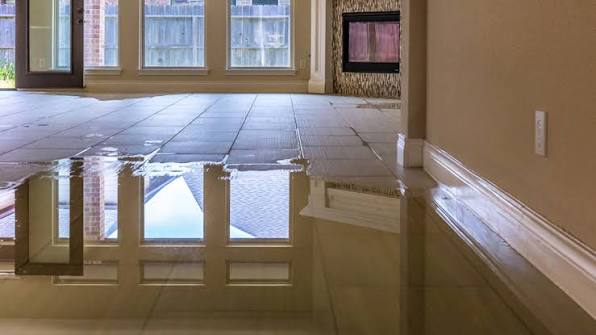
Sydney’s storms can turn a quiet afternoon into a full-blown emergency. When floodwater pushes through doors, rises through drains or pours through a damaged roof, carpet is often the first casualty. Knowing what to do in the first hours can save your flooring, protect your health and keep repair costs under control.

Start With Safety

Before you deal with wet carpet, make sure the home is safe. Switch off power at the meter box if water has reached outlets, appliances or cords, and never touch electrical items while standing in water. Wear rubber boots and gloves, because floodwater can carry sewage, chemicals and bacteria. If the water is dark, smelly or came from a drain or river, treat it as contaminated and keep children and pets away.

Identify the Type of Water

Not all floodwater is equal. Clean water from a burst pipe or rain through a roof is far easier to recover from. Water that has passed through gardens, streets or sewers is a different matter. Contaminated carpet and underlay usually can’t be safely cleaned and often need to be removed and replaced. A professional can assess the water and advise honestly.

Act Quickly on Wet Carpet

Time is your biggest enemy. Mould can begin growing within 24 to 48 hours, and odours set in fast. While you wait for help:

  • Move furniture, boxes and valuables off the carpet.
  • Place foil or plastic blocks under any legs that must stay.
  • Remove standing water with a wet vacuum if it’s safe to do so.
  • Open windows and doors, and run fans where possible.
  • Photograph all damage for your insurance claim.

Why DIY Drying Often Falls Short

Towels and household fans only deal with the surface. Water soaks into the underlay, subfloor, skirting boards and even wall cavities. Handling flood damage carpet in Sydney properly means finding and removing moisture you can’t see. Leave it behind and you risk mould, warped timber, peeling paint and smells that keep returning for months.

What Professional Drying Involves

Restoration technicians use moisture meters and thermal imaging cameras to map the full extent of the water. Powerful extractors then remove water from carpet and underlay, while air movers and dehumidifiers dry the surrounding structure. This is where structural drying services in Sydney make a real difference, because they target walls, floors and framing rather than just the carpet you can see. Reliable structural drying services in Sydney also include monitoring, so readings are taken regularly until moisture levels return to normal.

Can the Carpet Be Saved?

It depends on how long the carpet stayed wet, the type of water involved and the carpet material. Both wool and synthetic carpets respond well to fast drying when the water is clean. Very old carpet, or carpet that has been wet for several days, may not recover. A good technician will give you a clear recommendation rather than pushing unnecessary replacement.

Insurance and Documentation

Contact your insurer as early as possible, since many policies require prompt notification. Keep photos, receipts and written reports from every tradesperson. Ask whether your policy covers temporary accommodation and mould treatment, as this varies between providers.

Choosing the Right Restoration Company

Look for 24/7 response, certified technicians, professional-grade equipment and transparent pricing. Ask for moisture readings before and after drying, and confirm the company will deal directly with your insurer. Local knowledge helps too, because crews familiar with Sydney’s weather and building styles can respond faster.

Prevent Future Damage

Clear gutters and downpipes, check roof tiles and seals after storms, and make sure the ground slopes away from your foundations. If your home sits in a low-lying area, consider door seals or flood barriers.

Don’t Wait for the Damage to Spread

Flooding is stressful, but a fast, informed response protects your home and your family’s health. If you’re facing flood damage carpet in Sydney, call a local restoration team straight away and ask about structural drying services in Sydney so every hidden pocket of moisture is dealt with. The sooner drying starts, the better the outcome.
The Hidden Dangers Of Mould After A Flood: Mould Remediation In Sydney

mould remediation Sydney

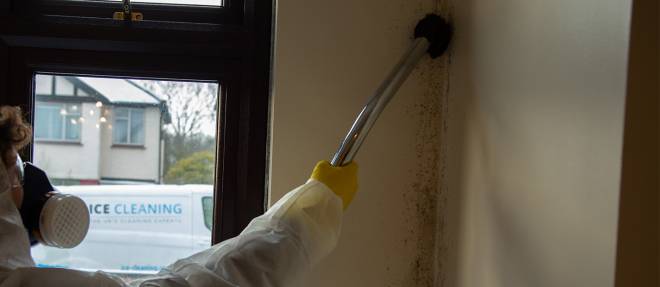
It is quite normal to concentrate on the water that can be seen during a flood at your house. The main issue appears to be the water-damaged carpets, the soaked furniture and the humid walls. But the real danger often starts after the water recedes. Lingering moisture creates the ideal conditions for mould to grow, spread and quietly damage your health and property. From what we see at Emergency Flood Group, fast action after water damage is one of the most important steps you can take to protect your home and family.

​Why Mould After A Flood Is So Harmful

Floodwater leaves behind damp surfaces and humid rooms. That warm, moist environment supports mould growth, often in places you cannot easily see.

​The website for mould remediation service in Sydney goes on to detail how exposure to mould can pose health risks:

  • Breathing problems, as well as diseases like asthma
  • Allergic conditions as skin and eye irritation

Children, senior citizens, and those who already have allergies might be affected at higher levels than the average person. Mould spores found in the air an individual breathes will also contribute to his/her overall comfort and well-being; thus, over time, once mould is seen and removed, the affected individual’s sense of wellness will begin to decrease, as will their home’s sense of healthy living conditions.

How Flood Water Triggers Hidden Mould Growth

Floods are a common reason behind mould growth in Sydney’s residences. If you’re searching for emergency water damage cleanup near me after a water incident, understanding these triggers is critical. The service information highlights several key causes that often follow flooding:

  • Water ingress caused by flood or storm.
  • Leakage in gutters or downpipes
  • Broken pipes
  • Rising dampness in older structures
  • High levels of indoor humidity
  • Lack of ventilation in wet areas

After a flood, surfaces such as walls, flooring and subfloors can stay damp long after they look dry on the surface. Mould is favoured by wet areas and humid rooms. If these places are not efficiently dried and dehumidified, spores can very quickly promote their growth on the building materials and in the hidden spaces.

The Real Cost Of Ignoring Mould After A Flood

Leaving mould unattended does more than create marks on walls. The information regarding mould removal mentions three main danger zones resulting from mould neglect.

  1. Health hazards

Exposure to mould has a negative effect on health, and people living in such conditions experience more problems with their lungs and suffer from allergies more frequently. Others may already be so allergic to mould that even the tiniest amount will provoke their difficulties.

  1. Structural damage

Mould can move into building materials and cause damage over time. When this is left unchecked, repairs become more extensive and more expensive.

  1. Decreased property value

Visible mould growth and musty odours reduce kerb appeal and market value. Property owners in Victoria also need to comply with professional mould remediation in Sydney to maintain a safe environment.

Taking action at the outset is a means of halving the three risks. Hence, professional help is highly suggested instead of overlooking the issue or attempting to hide it.

The Mould Remediation Process After A Flood

The mould remediation service in Sydney follows a clear and structured process. This is important after a flood, when mould can be present in many different areas of the home.

​Inspection and assessment

First of all, the specialists who deal with mould conduct an elaborate examination to recognise and evaluate water damage signs. They closely monitor the wet and humid spots since these are the places where mould can thrive easily.

​Containment

To stop tiny spores from spreading to nearby rooms, the contaminated area is isolated with physical barriers. This keeps the issue controlled while work is carried out.

​Air filtration

To make the indoor atmosphere more pleasant and to lower the respiratory health problems that might occur, the team members who possess the highest experience use the HEPA air scrubbers, which are considered the best in the industry, as their standard.

​Professional mould treatment

Mould growth is treated using advanced techniques and EPA-approved microbial solutions. This treats current mould and plays a key role in preventing recurrence. At this stage, mould remediation services in Sydney ensure that affected surfaces are treated and made safe again.

​Drying and dehumidification

Mould is primarily facilitated by moisture, so the use of powerful vacuums and dehumidifiers is necessary in the area to dry it out completely. It is an important process post-flooding to stop mould regrowth after the treatment is completed.

​Restoration and prevention

Finally, the service includes restoration of affected areas and practical tips on maintenance. These can include ventilation improvements and checking for leaks so the problem does not repeat.

This complete process is what makes professional mould remediation in Sydney more reliable than a quick clean-up with household products.

Simple Prevention Tips Once Your Property Is Dry

Mould remediation is not only about treatment. The website also shares prevention advice that is especially useful after a flood or serious leak. Helpful tips include:

  • Use dehumidifiers in damp places.
  • Maintain indoor humidity between 30 and 50 with the help of a hygrometer.
  • Fix leaking pipes as soon as you see any signs of moisture.
  • Clean the air conditioner regularly.
  • Check under kitchen sinks, around windows and other risk areas for early signs of water.
  • Floods often result in hiring emergency professionals who would extract the water.
  • Let the bathroom and kitchen air out after taking hot showers and while cooking.

The steps above are very basic, but they do support the remediation specialists or helpers and also give some protection to your house between their visits.

Fast Response Matters For Flood-Damaged Homes

Timely action makes a big difference after a flood. The service information highlights that complete recovery for flood-damaged properties relies on:

  • Fast removal of standing water
  • Safe and thorough sanitisation
  • Effective mould removal and prevention

A quick reaction to the problem restricts the area of water and the time it takes to get fungus to start growing. This is the reason the company provides emergency mould remediation and flood restoration support around the clock, every day of the week. The combination of speedy flood response and skilled mould remediation in Sydney results in the reduction of health hazards and extensive repair costs in the long run.

​Need Help With Mould After A Flood

At Emergency Flood Group, we understand how stressful it is to see your home affected by floodwater and mould. You want your property safe for your family again as soon as possible. In Sydney, our IICRC-accredited experts deliver first-class mould removal along with water extraction, structural drying and flood restoration services customised to your specific needs by using industry-standard equipment, HEPA air scrubbers, and EPA-approved treatments.

Reach out if you need assistance with removing mould post-flood or storm; the best way to get support is 1300 635 944, or email us at info@emergencyfloodservicessydney.com.au for fast, reliable assistance. The emergency service is available all day, every day, and tries to offer quick assistance for mould remediation in Sydney, usually around an hour after your call.

Top Benefits of Professional Subfloor Drying in Sydney

subfloor drying Sydney

Moisture issues in your home or commercial property can lead to serious long-term damage if not addressed quickly. One of the most overlooked areas that can suffer from water intrusion is the subfloor. Located beneath your flooring, the subfloor acts as the foundation that supports your structure. When it becomes damp or waterlogged due to leaks, flooding, or high humidity, the problem can escalate into structural damage, mould growth, and costly repairs. This is why professional subfloor drying in Sydney is essential. Let’s explore the top benefits of hiring experts for this crucial service.

1. Prevents Structural Damage

Excessive moisture beneath your flooring can compromise the integrity of your home. Timber subfloors may warp, swell, or rot, while concrete bases can develop cracks. Over time, this weakens the stability of the property. Professional subfloor drying uses advanced equipment to remove moisture effectively, ensuring your home or building remains strong and durable for years to come.

2. Stops Mould and Mildew Growth

Sydney’s climate can make damp subfloors a breeding ground for mould and mildew. Not only do these organisms spread quickly, but they also release spores that can affect air quality and trigger allergies or respiratory problems. Professional subfloor drying services eliminate the moisture source, significantly reducing the risk of mould infestations and keeping your indoor environment healthier.

3. Protects Indoor Air Quality

A damp subfloor doesn’t just stay hidden – it impacts the air you breathe inside your property. Moisture and mould can release unpleasant odours and toxins that spread into living areas. By thoroughly drying your subfloor, professionals ensure your home remains fresh, clean, and safe for your family or occupants.

4. Cost-Effective in the Long Run

Many homeowners delay addressing subfloor moisture issues, thinking it’s a minor problem. Unfortunately, untreated dampness can result in expensive repairs, such as replacing flooring, structural timbers, or dealing with widespread mould removal. Investing in professional subfloor drying early helps you avoid these significant costs and protects your property’s value.

5. Uses Advanced Technology and Expertise

Professional subfloor drying in Sydney involves more than just fans or dehumidifiers. Experts use specialised equipment like high-capacity dryers, moisture meters, and thermal imaging to detect hidden damp areas and remove moisture thoroughly. Their expertise ensures no corner is left untreated, giving you complete peace of mind.

6. Restores Comfort and Safety

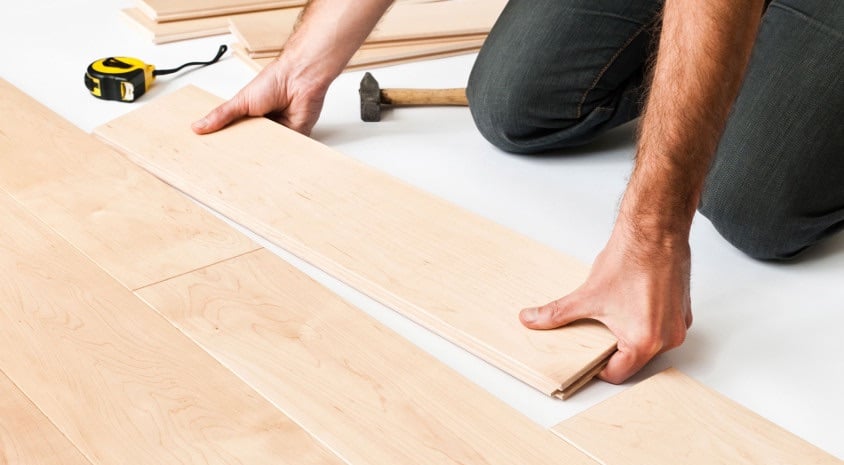
A damp subfloor can make flooring feel cold and uncomfortable underfoot. In severe cases, it may even cause floors to sag or become uneven, creating safety hazards. Professional drying restores your flooring’s stability and comfort, making your property safer and more enjoyable to live or work in.

7. Enhances Property Value

Moisture-damaged homes can lose value quickly, especially when structural issues or mould infestations are discovered during inspections. By addressing subfloor moisture professionally, you maintain the integrity and health of your property, which directly boosts its market appeal and long-term value.

Water damage beneath your floors is a serious concern that should never be ignored. Professional subfloor drying in Sydney provides a proactive solution to prevent structural damage, safeguard your health, and protect your investment. Whether you’re dealing with recent flooding or ongoing dampness, calling in the experts ensures a thorough and effective fix that delivers long-lasting benefits.

Restore your property quickly with our expert flood restoration in Sydney services. We provide fast water extraction, thorough drying, mould prevention, and complete damage repair. Our team uses advanced equipment to restore homes and businesses efficiently, ensuring safety, comfort, and peace of mind after flooding emergencies.