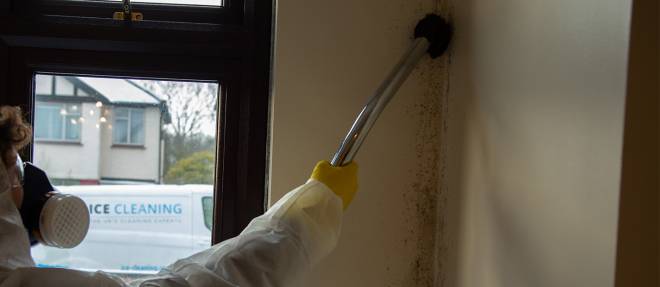
It is quite normal to concentrate on the water that can be seen during a flood at your house. The main issue appears to be the water-damaged carpets, the soaked furniture and the humid walls. But the real danger often starts after the water recedes. Lingering moisture creates the ideal conditions for mould to grow, spread and quietly damage your health and property. From what we see at Emergency Flood Group, fast action after water damage is one of the most important steps you can take to protect your home and family.
Why Mould After A Flood Is So Harmful
Floodwater leaves behind damp surfaces and humid rooms. That warm, moist environment supports mould growth, often in places you cannot easily see.
The website for mould remediation service in Sydney goes on to detail how exposure to mould can pose health risks:
- Breathing problems, as well as diseases like asthma
- Allergic conditions as skin and eye irritation
Children, senior citizens, and those who already have allergies might be affected at higher levels than the average person. Mould spores found in the air an individual breathes will also contribute to his/her overall comfort and well-being; thus, over time, once mould is seen and removed, the affected individual’s sense of wellness will begin to decrease, as will their home’s sense of healthy living conditions.
How Flood Water Triggers Hidden Mould Growth
Floods are a common reason behind mould growth in Sydney’s residences. If you’re searching for emergency water damage cleanup near me after a water incident, understanding these triggers is critical. The service information highlights several key causes that often follow flooding:
- Water ingress caused by flood or storm.
- Leakage in gutters or downpipes
- Broken pipes
- Rising dampness in older structures
- High levels of indoor humidity
- Lack of ventilation in wet areas
After a flood, surfaces such as walls, flooring and subfloors can stay damp long after they look dry on the surface. Mould is favoured by wet areas and humid rooms. If these places are not efficiently dried and dehumidified, spores can very quickly promote their growth on the building materials and in the hidden spaces.
The Real Cost Of Ignoring Mould After A Flood
Leaving mould unattended does more than create marks on walls. The information regarding mould removal mentions three main danger zones resulting from mould neglect.
- Health hazards
Exposure to mould has a negative effect on health, and people living in such conditions experience more problems with their lungs and suffer from allergies more frequently. Others may already be so allergic to mould that even the tiniest amount will provoke their difficulties.
- Structural damage
Mould can move into building materials and cause damage over time. When this is left unchecked, repairs become more extensive and more expensive.
- Decreased property value
Visible mould growth and musty odours reduce kerb appeal and market value. Property owners in Victoria also need to comply with professional mould remediation in Sydney to maintain a safe environment.
Taking action at the outset is a means of halving the three risks. Hence, professional help is highly suggested instead of overlooking the issue or attempting to hide it.
The Mould Remediation Process After A Flood
The mould remediation service in Sydney follows a clear and structured process. This is important after a flood, when mould can be present in many different areas of the home.
Inspection and assessment
First of all, the specialists who deal with mould conduct an elaborate examination to recognise and evaluate water damage signs. They closely monitor the wet and humid spots since these are the places where mould can thrive easily.
Containment
To stop tiny spores from spreading to nearby rooms, the contaminated area is isolated with physical barriers. This keeps the issue controlled while work is carried out.
Air filtration
To make the indoor atmosphere more pleasant and to lower the respiratory health problems that might occur, the team members who possess the highest experience use the HEPA air scrubbers, which are considered the best in the industry, as their standard.
Professional mould treatment
Mould growth is treated using advanced techniques and EPA-approved microbial solutions. This treats current mould and plays a key role in preventing recurrence. At this stage, mould remediation services in Sydney ensure that affected surfaces are treated and made safe again.
Drying and dehumidification
Mould is primarily facilitated by moisture, so the use of powerful vacuums and dehumidifiers is necessary in the area to dry it out completely. It is an important process post-flooding to stop mould regrowth after the treatment is completed.
Restoration and prevention
Finally, the service includes restoration of affected areas and practical tips on maintenance. These can include ventilation improvements and checking for leaks so the problem does not repeat.
This complete process is what makes professional mould remediation in Sydney more reliable than a quick clean-up with household products.
Simple Prevention Tips Once Your Property Is Dry
Mould remediation is not only about treatment. The website also shares prevention advice that is especially useful after a flood or serious leak. Helpful tips include:
- Use dehumidifiers in damp places.
- Maintain indoor humidity between 30 and 50 with the help of a hygrometer.
- Fix leaking pipes as soon as you see any signs of moisture.
- Clean the air conditioner regularly.
- Check under kitchen sinks, around windows and other risk areas for early signs of water.
- Floods often result in hiring emergency professionals who would extract the water.
- Let the bathroom and kitchen air out after taking hot showers and while cooking.
The steps above are very basic, but they do support the remediation specialists or helpers and also give some protection to your house between their visits.
Fast Response Matters For Flood-Damaged Homes
Timely action makes a big difference after a flood. The service information highlights that complete recovery for flood-damaged properties relies on:
- Fast removal of standing water
- Safe and thorough sanitisation
- Effective mould removal and prevention
A quick reaction to the problem restricts the area of water and the time it takes to get fungus to start growing. This is the reason the company provides emergency mould remediation and flood restoration support around the clock, every day of the week. The combination of speedy flood response and skilled mould remediation in Sydney results in the reduction of health hazards and extensive repair costs in the long run.
Need Help With Mould After A Flood
At Emergency Flood Group, we understand how stressful it is to see your home affected by floodwater and mould. You want your property safe for your family again as soon as possible. In Sydney, our IICRC-accredited experts deliver first-class mould removal along with water extraction, structural drying and flood restoration services customised to your specific needs by using industry-standard equipment, HEPA air scrubbers, and EPA-approved treatments.
Reach out if you need assistance with removing mould post-flood or storm; the best way to get support is 1300 635 944, or email us at info@emergencyfloodservicessydney.com.au for fast, reliable assistance. The emergency service is available all day, every day, and tries to offer quick assistance for mould remediation in Sydney, usually around an hour after your call.